CRA Jeopardy Orders: Immediate Tax Collection and How to Challenge an Order
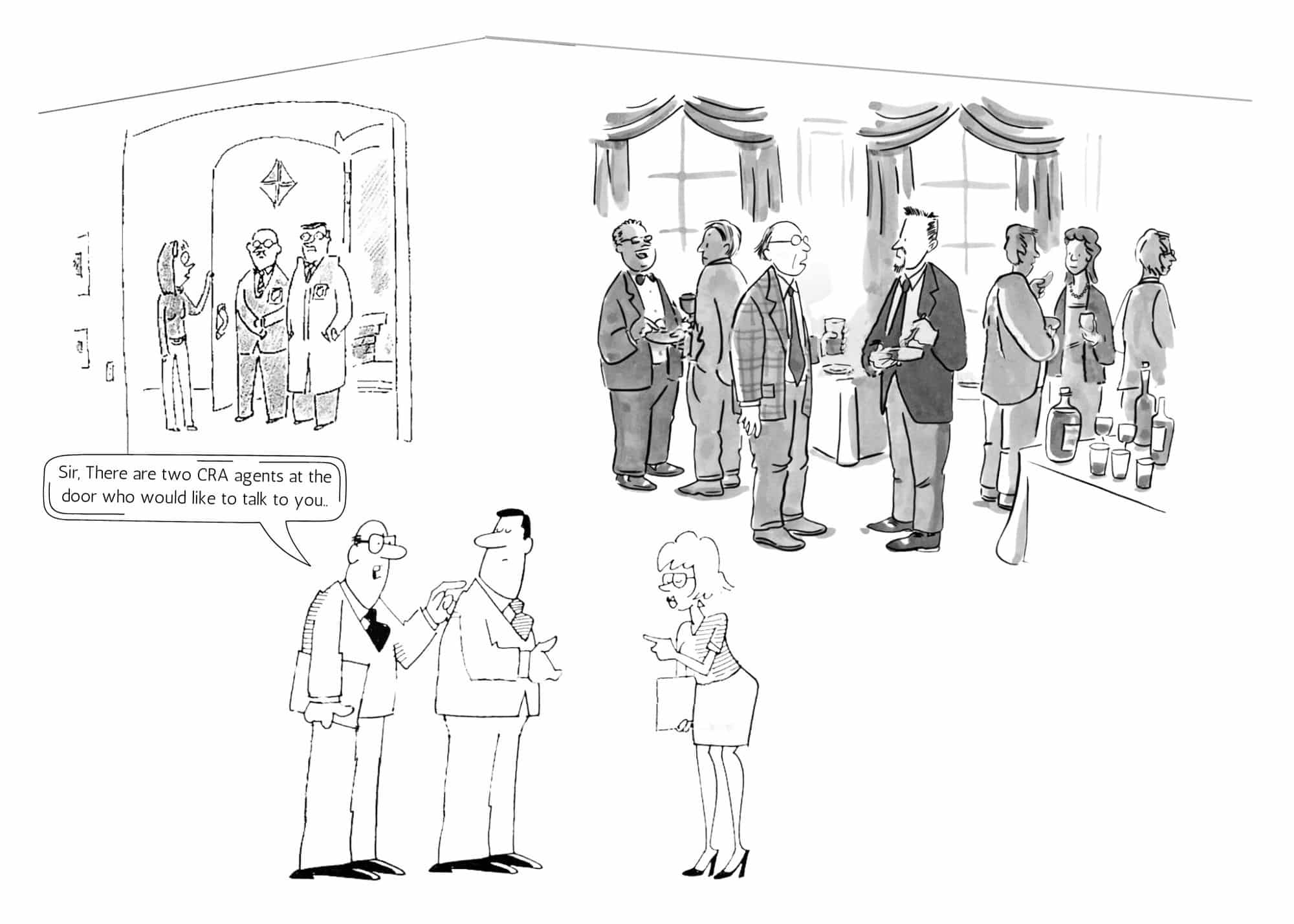
A CRA jeopardy order can allow the Canada Revenue Agency to take immediate collection action where it believes that waiting would put recovery of a tax debt at risk.
Ordinarily, the Income Tax Act restricts certain CRA collection actions for a period after an assessment and while some objections or Tax Court appeals are ongoing. Section 225.2 creates an important exception where the CRA obtains judicial authorization to proceed immediately.
Because jeopardy orders can be obtained without advance notice to the taxpayer and can lead to immediate enforcement, they require prompt attention.
If the CRA is already taking collection action against you, see our CRA Collections: Wage Garnishment, Frozen Bank Accounts and Tax Liens guide.
For legal representation in a CRA collection matter, visit our CRA collections and tax debt lawyers page.
What Is a CRA Jeopardy Order?
A CRA jeopardy order is a judicial authorization obtained under section 225.2 of the Income Tax Act.
It allows the CRA to take collection action immediately where a judge is satisfied that there are reasonable grounds to believe that delaying collection would jeopardize recovery of all or part of an assessed amount.
The CRA refers to this process as collection of a tax debt in jeopardy.
For official information, see the CRA’s Collection of Tax Debts in Jeopardy guidance.
Why Does CRA Need a Jeopardy Order?
The Income Tax Act normally places restrictions on certain collection actions.
For many income-tax assessments, the ordinary collection-commencement day is generally 90 days after the Notice of Assessment is sent.
Additional restrictions can apply where a taxpayer has filed a valid Notice of Objection or appealed an assessment to the Tax Court of Canada.
A jeopardy order allows the CRA to bypass those restrictions where delay itself would put collection at risk.
What Collection Actions Can CRA Take Under a Jeopardy Order?
An authorization under section 225.2 can permit the CRA to immediately take collection measures that would otherwise be restricted by section 225.1.
Depending on the circumstances, those actions can include:
- Beginning legal proceedings to collect the debt;
- Certifying the tax debt in Federal Court;
- Issuing requirements to pay to third parties;
- Redirecting amounts owed to the taxpayer;
- Taking steps involving seizure of property; and
- Using other statutory enforcement mechanisms available under the Income Tax Act.
Can CRA Obtain a Jeopardy Order Without Telling You?
Yes.
The CRA may apply for a jeopardy authorization on an ex parte basis.
This means the taxpayer generally does not receive advance notice of the application and is not present when the CRA presents its evidence to the judge.
The purpose of allowing an ex parte application is to avoid creating an additional collection risk by warning the taxpayer before the Court decides whether immediate enforcement should be authorized.
Can CRA Obtain the Order Before Sending a Notice of Assessment?
Yes, in certain circumstances.
Section 225.2 allows a judge to grant authorization even where the Notice of Assessment has not yet been sent if the judge is satisfied that receiving the assessment would likely further jeopardize collection.
Where that occurs, the Notice of Assessment generally must be served together with the authorization.
What Does CRA Have to Prove?
The CRA must satisfy the judge that there are reasonable grounds to believe that collection of all or part of the assessed amount would be jeopardized by delay.
The issue is therefore not merely whether the taxpayer owes money.
The CRA must establish a sufficient basis for concluding that waiting through the ordinary collection-restriction period would create a meaningful risk that the debt could not later be collected.
What Factors Can Support a Jeopardy Order?
The relevant factors depend on the particular case.
Potential concerns may include evidence suggesting that a taxpayer is:
- Transferring assets beyond CRA’s reach;
- Moving money or property outside Canada;
- Liquidating significant assets;
- Placing assets in the names of related persons;
- Dissipating property;
- Leaving Canada or severing financial ties with Canada;
- Taking steps that could make future collection substantially more difficult; or
- Otherwise creating a serious risk to CRA’s ability to collect the assessed amount.
No single factor automatically determines whether a jeopardy order should be granted. The Court considers the evidence as a whole.
Is Financial Difficulty Alone Enough for a Jeopardy Order?
Not necessarily.
A taxpayer’s inability to pay does not automatically mean that collection is legally “in jeopardy.”
The question is whether delay in collection would materially jeopardize the CRA’s ability to recover the debt.
A taxpayer facing ordinary financial hardship may instead be dealing with CRA payment arrangements, collection enforcement, insolvency options, or other tax-debt issues.
See our What Happens If You Owe the CRA Money and Cannot Pay? guide.
When Must CRA Serve the Jeopardy Order?
After the Court grants the authorization, the CRA generally must serve it on the taxpayer within 72 hours.
A judge may authorize a different service time in the order.
Service is generally made personally or in accordance with directions given by the judge.
What Happens After You Are Served?
The jeopardy authorization is effective even though the taxpayer was not present at the original application.
CRA can therefore begin or continue the collection actions authorized by the order.
The taxpayer then has a statutory right to apply to the Court for review of the authorization.
Because the order remains effective while the review process is underway, immediate legal and financial consequences may arise before the Court hears the taxpayer’s challenge.
How Do You Challenge a CRA Jeopardy Order?
A taxpayer can apply to the same court that granted the authorization and ask a judge to review it.
The review application generally must be brought within 30 days after the authorization is served.
A judge may permit additional time where satisfied that the application was made as soon as practicable.
How Much Notice Must You Give Before the Review?
Section 225.2 requires the taxpayer to give 6 clear days’ notice to the Deputy Attorney General of Canada before applying for review.
This is sometimes described more generally as approximately one week’s notice, but the statutory wording is 6 clear days.
What Can the Court Do on Review?
On review, the judge may:
- Confirm the authorization;
- Set the authorization aside;
- Vary the authorization; or
- Make another order the judge considers appropriate.
The review gives the taxpayer an opportunity to challenge the factual and legal basis for the CRA’s original ex parte application.
What Is the Test on Review?
The taxpayer can challenge whether there were reasonable grounds to believe that delay in collection would jeopardize recovery of the assessed amount.
This may involve presenting evidence showing that the factual assumptions relied upon by the CRA were incorrect, incomplete, outdated, or insufficient to establish a genuine collection risk.
Depending on the case, relevant evidence may relate to:
- Assets remaining in Canada;
- Real estate ownership;
- Business operations;
- Financial accounts;
- The reasons for particular asset transfers;
- The taxpayer’s history of CRA compliance;
- Payment arrangements;
- Security available to protect the CRA; and
- Other facts bearing on collectability.
Does CRA Stop Collecting While the Order Is Reviewed?
No.
The jeopardy order remains in effect while the taxpayer’s review application is pending.
The CRA may therefore continue authorized collection activity during the review process.
Can You Appeal the Decision on the Review?
No ordinary appeal lies from the judge’s decision reviewing the authorization under subsection 225.2(11).
Section 225.2 expressly provides that no appeal lies from the review order.
This makes the initial review application particularly important.
Does Filing a Notice of Objection Cancel a Jeopardy Order?
No.
Ordinarily, a valid Notice of Objection can restrict CRA collection of many disputed income-tax amounts.
A valid jeopardy authorization is specifically designed to override those normal collection restrictions.
The taxpayer may therefore need to address two different issues at the same time:
- Whether the underlying tax assessment is correct; and
- Whether immediate collection should have been authorized.
For information about challenging the underlying assessment, see our Notice of Objection guide.
Does a Tax Court Appeal Stop Collection Under a Jeopardy Order?
Not automatically.
Section 225.1 normally restricts collection of many disputed income-tax amounts while a Tax Court appeal is pending.
However, section 225.2 allows the CRA to obtain authorization to proceed despite those restrictions where the statutory jeopardy test is satisfied.
For information about the Tax Court process, see our Tax Court of Canada procedure guide.
Are All Tax Debts Protected by the Normal 90-Day Collection Restriction?
No.
There are important exceptions to the ordinary collection restrictions.
For example, section 225.1 contains exceptions involving certain amounts required to be deducted, withheld, or remitted, as well as special rules for large corporations and certain tax-shelter amounts.
GST/HST collection rules also differ from the ordinary income-tax collection framework.
A taxpayer should therefore not assume that every CRA debt is protected from immediate collection simply because an objection or appeal is available.
What Is the Difference Between a Jeopardy Order and Ordinary CRA Collections?
Ordinary CRA collections generally proceed under the normal statutory collection framework after applicable restrictions have expired or where no restriction applies.
A jeopardy order is different because CRA seeks judicial authorization to proceed immediately despite collection restrictions that would otherwise apply.
Ordinary collection tools may include:
- Requirements to pay;
- Wage garnishment;
- Freezing or redirecting funds from bank accounts;
- Federal Court certificates;
- Liens against property;
- Set-off of amounts otherwise payable to the taxpayer; and
- Seizure and sale in appropriate cases.
For a broader explanation, see our CRA collections and enforcement guide.
What Should You Do If You Receive a Jeopardy Order?
Because the statutory review period is short and collection can continue while the order is being challenged, the matter should be reviewed promptly.
Important steps may include:
- Confirming the date and manner of service;
- Reviewing the authorization and supporting materials;
- Identifying the assessed amounts covered by the order;
- Determining what collection action CRA has already taken;
- Preserving the 30-day review deadline;
- Collecting evidence concerning assets and financial circumstances;
- Reviewing the factual basis for CRA’s jeopardy allegations;
- Considering whether security or other arrangements are relevant; and
- Separately addressing any objection or Tax Court appeal concerning the underlying assessment.
Can CRA Freeze a Bank Account After a Jeopardy Order?
Potentially.
A jeopardy authorization can permit CRA to use collection tools that would otherwise be subject to the restrictions in section 225.1.
Depending on the authorization and circumstances, this can include requirements to pay directed to financial institutions or other third parties.
This is one reason a jeopardy order can have immediate practical consequences for an individual or business.
Can CRA Register a Lien Against Property?
Potentially.
CRA may certify a tax debt in Federal Court and use that judgment to pursue enforcement against property where the applicable statutory requirements are met.
A jeopardy order can authorize CRA to take collection steps immediately rather than waiting for ordinary collection restrictions to expire.
Can You Still Challenge the Underlying Tax Assessment?
Yes.
A jeopardy order concerns the timing and availability of collection action. It does not itself determine that the CRA’s underlying assessment is legally correct.
A taxpayer may therefore challenge the assessment through the appropriate objection and appeal process while separately challenging the jeopardy authorization.
For legal representation in an objection, visit our CRA tax objection lawyers page.
How Our Tax Lawyers Assist With CRA Jeopardy Orders
KR Law Firm represents individuals and businesses in urgent CRA collection disputes, including matters involving jeopardy orders.
Depending on the case, our tax lawyers can assist with:
- Reviewing a section 225.2 authorization;
- Preserving the statutory review deadline;
- Reviewing the evidence relied upon by the CRA;
- Preparing the application to review the authorization;
- Preparing evidence concerning collectability and financial circumstances;
- Seeking to have the order set aside or varied;
- Addressing simultaneous CRA collection action;
- Challenging the underlying reassessment;
- Preparing Notices of Objection; and
- Managing related Tax Court proceedings.
Frequently Asked Questions About CRA Jeopardy Orders
What is a CRA jeopardy order?
It is a judicial authorization under section 225.2 of the Income Tax Act that can allow CRA to take immediate collection action where delay would jeopardize recovery of an assessed amount.
Does CRA have to warn me before applying?
No. CRA can apply on an ex parte basis, meaning the taxpayer is generally not notified or present when the original application is heard.
How quickly must CRA serve the order?
CRA generally must serve the authorization within 72 hours after it is granted unless the judge specifies another time.
How long do I have to challenge the order?
A review application generally must be made within 30 days after the authorization is served, although a judge may permit additional time in limited circumstances.
How much notice must I give before seeking review?
The Income Tax Act requires 6 clear days’ notice to the Deputy Attorney General of Canada.
Does CRA have to stop collecting during the review?
No. The authorization remains effective while the review is underway, and CRA may continue collection activity.
What can the reviewing judge do?
The judge may confirm, set aside, or vary the authorization and may make another order considered appropriate.
Can I appeal the review decision?
No ordinary appeal lies from the review order under section 225.2.
Does a jeopardy order mean the CRA assessment is correct?
No. The jeopardy order concerns collection risk. The underlying assessment may still be challenged through the applicable objection or appeal process.
Speak With a Tax Lawyer About a CRA Jeopardy Order
A CRA jeopardy order can result in immediate collection action and is subject to a short statutory review period.
KR Law Firm assists individuals and businesses with jeopardy orders, CRA collections, tax objections, and related Tax Court disputes.
Book a Free Consultation with one of our tax lawyers to discuss a CRA jeopardy order or urgent collection matter.
—
By Kaveh Rezaei – Principal Lawyer, KR Law Firm
Disclaimer: This article provides general information only and does not constitute legal advice. Jeopardy-order matters are highly fact-specific and involve strict statutory deadlines.

